

After six years, I'm leaving my role as CEO of Action Foundation, sad but hopeful.
It was just a few weeks before the national Covid lockdown in 2020 I joined Action Foundation and it's been a whirlwind of emotions from the very start, from the joy of celebrating a client's success or a large funding award, to the trauma of yet another new headline scapegoating a small and vulnerable group and the inevitable suffering that results.
My friend Ali arrived into the UK on a small boat about the same time I arrived at Action Foundation. We first got talking in the kitchen here when he was volunteering with our weekly Drop-in just a few weeks after his arrival in Newcastle and struck up a rapport which sparked a friendship which still lasts today.
He was kind enough to share his story with me and after a couple of years I was thrilled to celebrate with him when his asylum claim was finally granted. It was at that point that his life started to unravel. Faced with his newfound freedom, he struggled to find a house, experienced racist threats for the first time in the UK and became weighed down by the trauma of his past life in Iraq from where he'd fled. At that point we lost contact for a time.
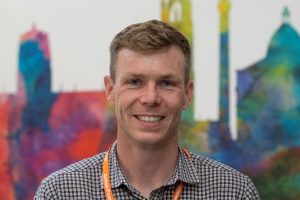
Duncan McAuley
At a macro level, in many ways little has changed over many years. People have always needed to flee their homes and some have needed to flee to other countries, with a few making it beyond their immediate neighbours to places like the UK.
These host countries have always made a decision how to treat newcomers – to welcome them, perhaps on moral grounds, or to meet a labour shortage, or to reject them and politicise their presence. This pattern ebbs and flows, with regional shifts towards welcoming or rejecting people seeking safety happening cyclically over decades as national culture shifts and adapts to a changing world.
So what's the problem? If this is just the normal course of events, then where's the harm?
The harm is at the micro level. It's the individuals who suffer. Those who having fled, instead of finding safety, opportunity and (dare I say) welcome and support, find hostility, disempowerment and punitive sanctions. The harm is significant, and the consequences, far reaching and long lasting. This harm translates into the local communities and wider society of the host country, shaping our attitude to each other, perpetuating inequalities and stunting economic growth.
My personal Christian faith tells me that everyone is valued, loved and important, and I'm sure that these are values almost all of us hold. While they don't speak directly into the issues of national sovereignty or international protection, they should inform our approach to these conversations. I feel that somehow we've lost the humanity in our conversations about migration – that because life is hard (and it is for many), we've taken the easy route of othering and distancing to justify our anger and disappointment at our own experience. For me, this is not good enough, but I don't see it changing any time soon and that makes me deeply sad.
So what about hope?
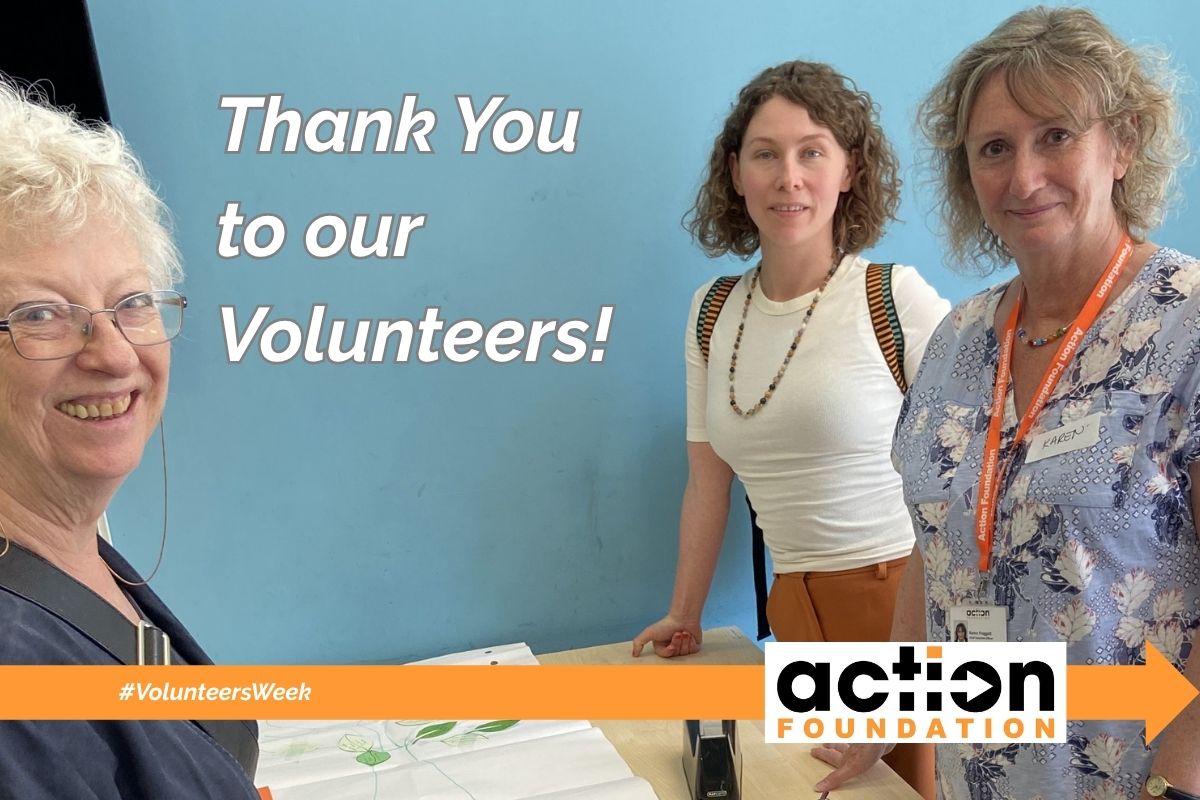
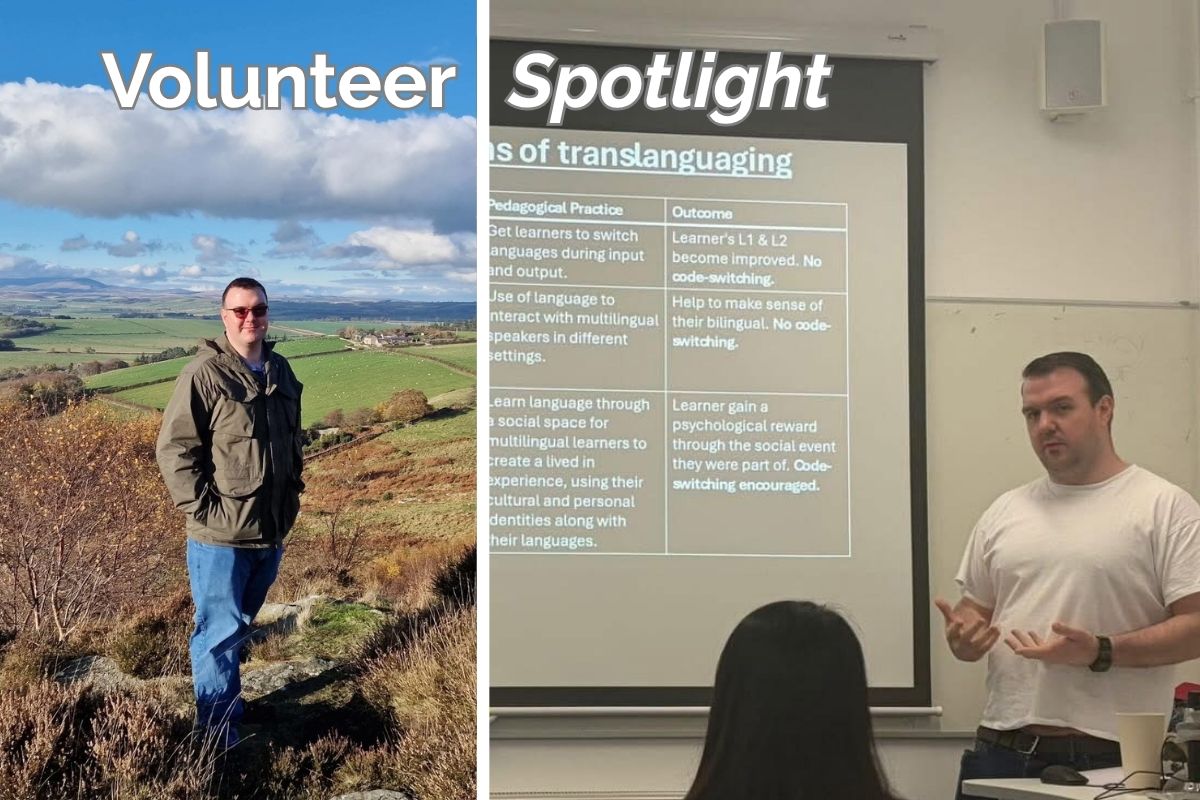
Humans are capable of both the most horrific acts and the most compassionate, sacrificial and generous. As much as celebrating the many breakthroughs for the people we serve over the past six years, my hope comes from the commitment, care and humility of the staff and volunteers at Action Foundation. To see a need, step towards it and give of yourself, takes courage, particularly when you're in need yourself. From the retired professional to the active asylum seeker, our staff and volunteers are the best there are, normal people doing normal things to create something extraordinary. This gives me hope for a better future, both for those we support and for our society as a whole.
Ali messaged me last summer and we met up again for the first time in almost two years. He came back to volunteer at Action Foundation and slowly, over the weeks that followed, I began to see a change in him. His circumstances remained largely the same, but just by being around others who showed him welcome and dignity, treating him with humanity even if society views him otherwise, a light had been rekindled, a hope revived. Though there's still a way to go for Ali, he's doing much better now and is still here, sharing that hope with others who are just as much in need of it as he is.
As I wrap up my time at Action Foundation, I'm hugely grateful for the excellent people I've worked with, I've been privileged to have an excellent board of trustees and to work with many brilliant colleagues during my time here. It's they who give me hope for the coming months and for Action Foundation itself. I'm sure that under the leadership of of the charity's new CEO, Karen, we'll continue to grow from strength to strength, reaching thousands of people each year and bringing hope to many more.